






The honest list is shorter than the supplements industry wants you to believe. The foundation is regular food, sleep and training. After that, a few supplements can be useful depending on your situation: protein powder if you struggle to hit your protein targets, creatine if you train hard in the gym, vitamin D during the winter months. The rest is usually optional.
Why nutrition is always the foundation
A supplement is literally a supplement. It fills in what your diet doesn't provide – nothing more. If you eat a varied diet, get enough protein and sleep normally, you've already made the most important gains. No tub changes that, no matter how attractive the label is.
That's not bad news – it's good news: it means you don't need to sit down to breakfast with seventeen tubs to "do it right". It also means the order is fixed. First your shopping list, then the supplements shelf. Anyone who reverses that order is mostly buying expensive reassurance.
Which supplements can be useful?
Usefulness depends on your situation, not on the trend of the month. For most athletes and active people, it comes down to a short list: protein powder for convenience, creatine for strength training, vitamin D in winter, magnesium if your diet falls short and electrolytes for long or warm training sessions.
| Situation | Can be useful | Why |
|---|---|---|
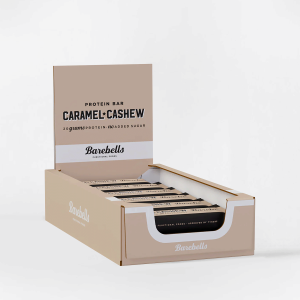
| You struggle to get enough protein from food | Protein powder or bars | Proteins contribute to the growth and maintenance of muscle mass |
| You train intensively for strength | Creatine monohydrate | Best-researched sports supplement, approved performance claim |
| Autumn and winter | Vitamin D | Less synthesis via sunlight during the darker months |
| Diet low in nuts, seeds and wholegrains | Magnesium | Contributes to normal muscle function |
| Long or warm endurance sessions | Electrolytes with carbohydrates | Approved claims for carbohydrate-electrolyte solutions |
Doesn't your situation fit any of these? Then chances are you'll do just fine without supplements. That's also a valid answer.
Protein powder: convenience, not magic
Protein powder is not a miracle product – it's a sandwich without the bread: a convenient way to hit your protein targets. Proteins contribute to the growth and maintenance of muscle mass. If you get those proteins from quark, eggs and legumes, you don't need a shake. If that doesn't work every day, a shake is simply practical.
How much protein you actually need varies by person and goal; we work that out in how much protein per day. Start there, and only then decide whether a tub of powder needs to come home with you. That order saves you quite a few impulse purchases.
Creatine: the most researched of all
If there is one sports supplement that has earned its place, it's creatine monohydrate. It is the most well-researched sports supplement in existence, with an approved claim: creatine increases physical performance during successive bursts of short-term, high-intensity exercise with a daily intake of 3 g.
Pay attention to the fine print of that claim: short, explosive efforts. Think sets in the gym, sprints, intervals. For a steady-pace endurance run, creatine is not the appropriate product. A fixed daily dose is all that's needed; loading is not necessary, and the effect builds up over weeks. You can read exactly how that works in what does creatine do.
Vitamin D: the winter question
Vitamin D is mainly produced through sunlight on your skin. In autumn and winter, the sun is too low for that, causing your own production to drop significantly. A supplement can be a logical addition during those months. Vitamin D contributes to the maintenance of normal bones, normal muscle function and the normal functioning of the immune system.
The story doesn't need to be any more complicated than that. No mega-doses, no miracle claims: just follow the label. Where vitamin D is exactly good for and when to take it is covered in detail in vitamin D: what is it good for.
Magnesium: when your diet falls short
Magnesium contributes to normal muscle function and to the reduction of tiredness and fatigue. It's found in nuts, seeds, wholegrain products and green leafy vegetables. If you eat those daily, you'll often already be covering your needs without a supplement.
If your diet falls short – for instance because those foods rarely feature on your plate – a well-absorbed form such as citrate or bisglycinate can be a worthwhile addition. Which form to choose and why is explained in best magnesium. One tub, well chosen, is enough.
Electrolytes: only for long and warm days
If you exercise for a long time or in the heat, you lose fluid and minerals through sweat, especially sodium. Electrolyte products exist for these situations, and for the combination with carbohydrates, approved claims apply: carbohydrate-electrolyte solutions contribute to maintaining endurance performance during prolonged exercise and enhance the absorption of water during exercise.
Note the word prolonged. For an ordinary training session of three-quarters of an hour, water is sufficient and your next meal covers the rest. Electrolytes are a tool for the long endurance run, the long ride and the hot race day – not for every gym visit. That's precisely why they appear in the "can be useful" list and not the "for everyone" list.
What can you safely skip?
More than you think. Standalone BCAAs add little if you already eat enough complete protein, because those same amino acids are already in it. "Fat burners" promise something no supplement is legally allowed to promise. Detox cures solve a problem your liver and kidneys are already solving by themselves. And the towering tub stacks of social media are a hobby, not a health strategy.
The rule of thumb is simple: the bigger the promise, the lower the chance it's true. Supplements with approved claims promise modest things, and that's precisely why you can take them seriously. Anything that "boosts fat burning" or "resets your hormones" can be left on the shelf without a second thought. Your wallet will notice the difference long before your body does.
How do you put together your short list?
Work from big to small. That way you keep things manageable and avoid buying supplements for a foundation that isn't yet in place.
- First, get your diet in order: enough protein, varied eating, adequate hydration.
- Assess your situation: strength training, dark months, long endurance sessions or dietary gaps.
- Choose at most one suitable supplement per situation from the list above.
- Follow the label and give it time; switching every week achieves nothing.
- In doubt, taking medication or pregnant? Consult your doctor first.
Chances are you'll end up with zero to three tubs. That's not a sign you're missing something – it's a sign you've understood.
Frequently asked questions about supplements
Which supplements are useful for gym beginners?
Start with none. First get your training, protein intake and sleep in order – that's where your gains are. After that, protein powder (convenience) and creatine monohydrate (approved performance claim at 3 g per day) are the two most logical candidates. Beginners rarely need more than that.
Is a multivitamin necessary?
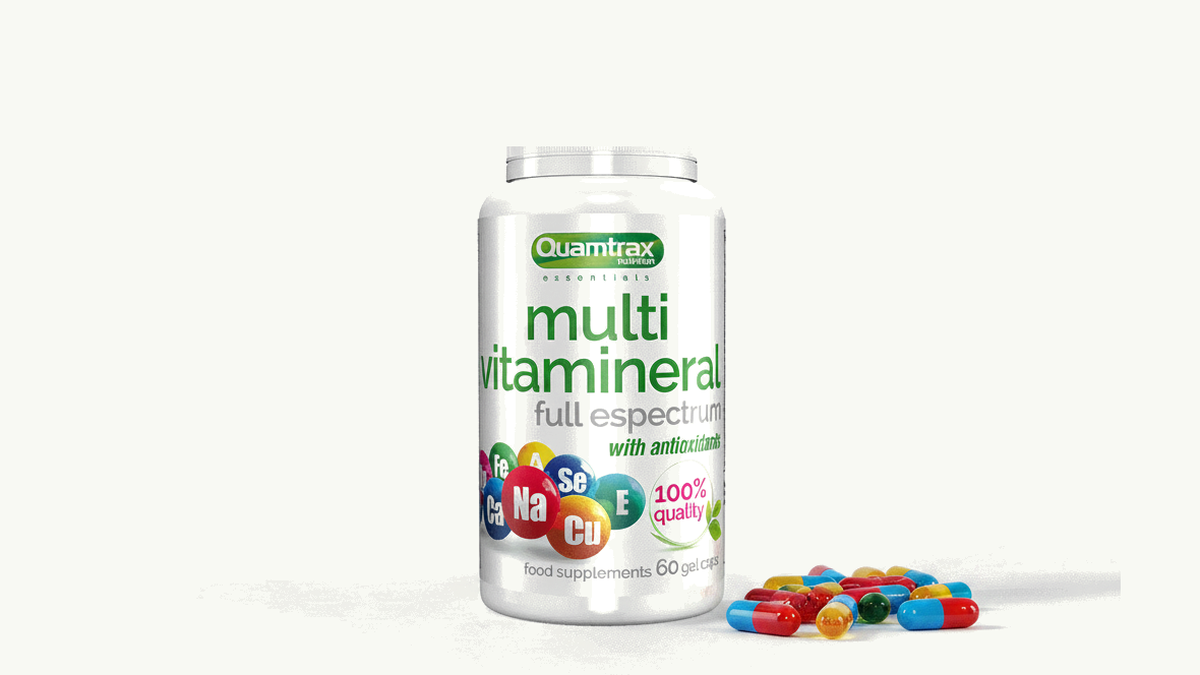
With a varied diet, usually not; a multivitamin is a broad safety net, not a replacement for good food. Anyone who knows specific gaps in their diet is better off supplementing in a targeted way, such as vitamin D in winter. If you're unsure about your situation, discuss it with your doctor.
Can you take too many supplements?
Yes. More tubs does not mean better health, and with some nutrients you can unknowingly accumulate too much through stacking products. Stick to the label for each product, don't stack products with the same ingredients and be honest about whether you actually need something.
What is the difference between a supplement with and without a claim?
In the EU, products may only carry health claims approved by the EFSA, and these only exist for specific nutrients such as protein, creatine, vitamin D and magnesium. If a product makes a big promise without an approved claim, that's marketing, not science.
Which supplements you really need ultimately comes down to looking honestly at your own week. First eat, then supplement. A short list you can stick to beats every impressive stack that ends up gathering dust in the cupboard after three weeks. Healthier is possible. Do what works.