







A high-protein diet weekly plan doesn't have to be a full-time job. The recipe is simple: a complete protein source at every meal, regular products from the regular supermarket, and repetition where it's convenient. Below you'll find an example week that you can stick to without 34 meal-prep containers, including the ground rules to make your own version of it.
What is a high-protein diet exactly?
A high-protein diet isn't a strict regime with lists of forbidden foods, but an eating pattern in which protein gets priority at every meal. You eat regular bread, dairy, meat, fish or legumes; the difference is that every meal is built around a protein source instead of treating it as an afterthought.
Why you'd want that: proteins contribute to the maintenance of muscle mass, and many people find they can go longer on protein-rich meals. Especially in combination with a calorie deficit that's valuable, because a deficit that doesn't turn into a hunger battle is one you can sustain. The full explanation of why eating high in protein works when you want to lose weight is in proteins and weight loss; here it's all about practice. How many grams you aim for per day, you calculate once via how much protein per day, and after that you put the calculator away. The plan does the rest.
What principles are built into this weekly plan?
Three ground rules: every meal contains a protein source, breakfast and lunch may repeat, and there's deliberately space for a birthday or dinner out. A plan that only works when your week goes perfectly isn't a plan but a trap. This plan accounts for a normal life.
Repetition here isn't a weakness but the engine. Nobody eats seven different breakfasts a week; pick two or three you enjoy and rotate between them. That saves shopping, mental effort and washing up. The evening meals do vary, because that's where family, mood and schedules come into play. And on portions: the gram amounts are deliberately left out. If you want to lose weight, keep the portions modest and pay particular attention to what you drink and snack on; if you want to maintain your weight, just eat until you've had enough. The pattern is more important than the precision.
What does the high-protein diet weekly plan look like?
Here's what the example week looks like: four eating moments per day, each with a protein source. Breakfasts and lunches repeat deliberately; the evening meals vary. Saturday is set up as a flex day, because you're going to need one anyway.
| Day | Breakfast | Lunch | Dinner | Snack |
|---|---|---|---|---|
| Monday | Quark with fruit and nuts | Wholegrain bread with egg and cottage cheese | Chicken breast with vegetables and potatoes | Handful of nuts |
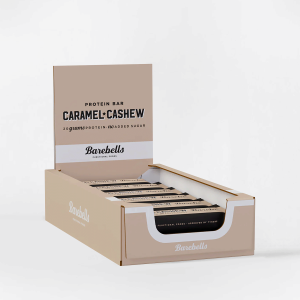
| Tuesday | Oats with milk and a spoonful of quark | Leftovers from Monday or tuna salad | White fish with broccoli and rice | Protein bar |
| Wednesday | Quark with fruit and nuts | Wholegrain bread with chicken breast and tomato | Chili with beans and minced meat or vegan mince | Cup of skyr |
| Thursday | Scrambled eggs with wholegrain bread | Salad with chickpeas and feta | Stir-fried vegetables with tofu or chicken and noodles | Handful of nuts |
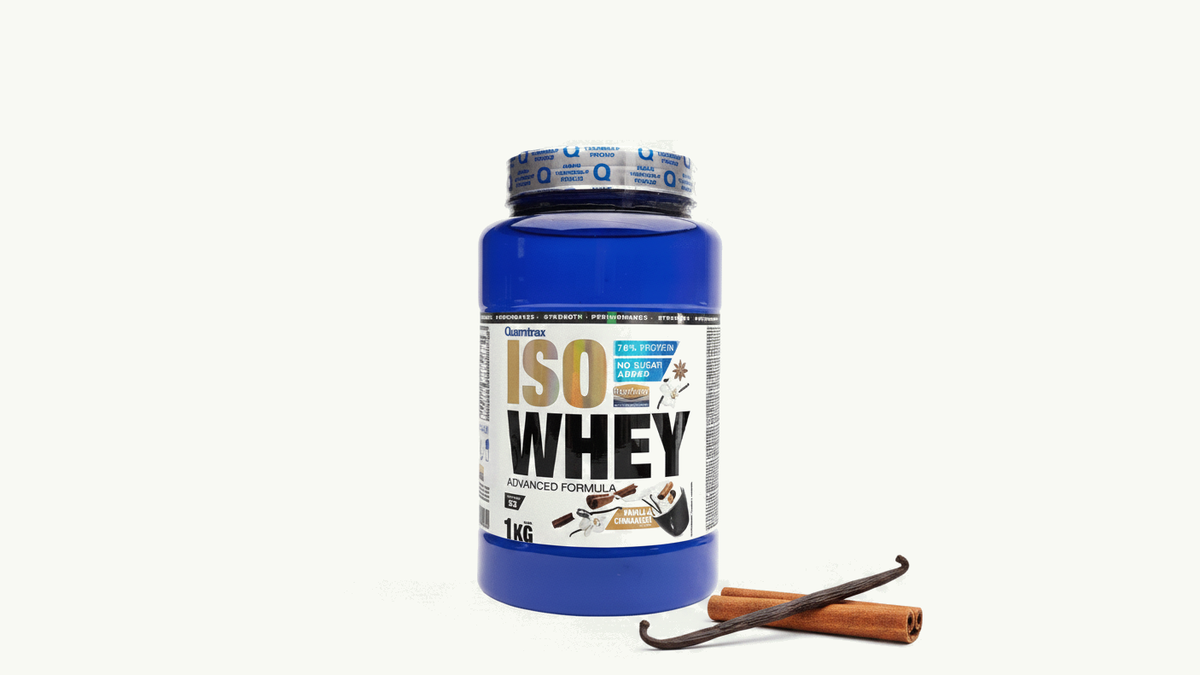
| Friday | Quark with fruit and nuts | Wholegrain bread with egg and cottage cheese | Homemade wraps with chicken and vegetables | Protein shake |
| Saturday | Leisurely: protein pancakes or scrambled eggs | Whatever's left from the week | Flex moment: dinner out, birthday or just whatever you feel like | Free |
| Sunday | Skyr with granola and fruit | Omelette with vegetables | Oven dish with chicken or legumes | Cup of quark |
If you're consistently short on time in the morning, high-protein breakfast has ten options ready in two minutes, from overnight oats to a bar with your coffee.
If you train on fixed days, you barely need to restructure the plan for that. Simply shift your snack to the moment after training – for example the shake on Friday or the cup of quark on Sunday – and you're sorted. Proteins contribute to muscle growth, so around training days in particular, that one eating moment is especially well spent. No major reshuffling needed; the pattern of four protein moments per day covers both training days and rest days.
How do you make this plan your own?
Swap by column, not by day. Every protein source can be replaced by another: chicken becomes fish, quark becomes skyr, minced meat becomes beans. As long as the meal keeps a complete protein source, the plan holds up. The framework is sacred, the content isn't.
A few practical swaps. No dairy? Soy yoghurt or a vegan shake does the same job at breakfast. No time to cook? Double the evening meal and have the leftovers for lunch the next day; the plan even accounts for this. Sweet craving without a sugar overload? A light jam or zero sauce keeps flavour in the plan without throwing it off balance; ideas for that can be found in Rabeko recipes. And if a day goes completely differently than planned, that's one day, not a failure. You simply pick the plan back up at the next meal, not next Monday. If you want to lose a significant amount of weight and have health conditions or take medication, check with your GP first.
The shopping list meanwhile stays surprisingly short: a supply of quark or skyr, eggs, a few protein sources for dinner, wholegrain bread, oats, nuts, frozen vegetables and some bars or a tub of protein powder for the convenient moments. Everything available at the regular supermarket or already in your cupboard, nothing that requires a trip to a specialist shop. Anyone who buys this base once a week only needs to choose on weekdays, not to think.
Frequently asked questions about a high-protein diet weekly plan
Do I need to meal prep for this plan?
No. The plan is built so that repetition and leftovers do the work: breakfast and lunch come back around, and cooking double once provides tomorrow's lunch. If you love filling containers on a Sunday, you're absolutely welcome to. It isn't necessary, and that's precisely the point.
Is a high-protein diet suitable for vegetarians?
Yes. Replace meat and fish with eggs, dairy, tofu, tempeh and legumes, and the plan works the same way. Plant-based protein sources sometimes require slightly larger portions to reach the same amount of protein; combining them, such as beans with wholegrain cereals, makes it complete. The rule stays the same: a protein source at every meal.
Can I snack alongside this plan?
Yes, the snack column isn't there for nothing. Choose snacks that contribute something: nuts, quark, a bar or a shake. It goes wrong when snacks become a second eating pattern alongside the plan. One mindful snack per day works better than grazing a little all day long.
What if I fall completely out of the routine for a week?
Then you simply start again at the next meal. A holiday, a busy work week or illness doesn't undo the pattern; your eating habits are determined by what you usually do, not by the exception. The plan will still be there next week. Consistency beats perfection, every single time.
A high-protein diet weekly plan works as long as it follows your week rather than the other way around. A protein source at every meal, repeat what works, switch what gets boring and keep room for real life. Healthier is hard to imagine. Do what works.