







Creatine works in women exactly the same as in men: 3 grams daily, and the effect builds up over weeks. It won't make you "bulky" and it won't give you a spare tyre. What can happen: the scale may go up slightly, due to fluid inside your muscle cells. That's no reason to panic — it's a sign that your muscles are absorbing the stores.
Does creatine work for women too?
Yes. Creatine is the same substance working on the same body system, regardless of whether you're male or female. The approved EFSA claim therefore applies to everyone: creatine increases physical performance during successive bursts of short-term, high-intensity exercise, at a daily intake of 3 grams.
Short, high-intensity efforts: that's exactly what you do during strength training, HIIT, sprints or a tough circuit class. The fact that creatine was marketed as "something for men" for years says more about the marketing of the past than about the substance itself. The tubs plastered with skulls and lightning bolts simply weren't aimed at everyone. The way creatine works doesn't care about any of that.
Why should women consider creatine?
Because you're probably doing exactly the kind of training the EFSA claim refers to: short, high-intensity efforts. Think sets at the gym, sprints, HIIT blocks or a circuit class that leaves you breathless. For steady-state endurance work at an easy pace, creatine is less relevant.
The case for taking it is refreshingly straightforward. Creatine is the most researched sports supplement, monohydrate is affordable, and you don't need a complicated protocol. It only asks one thing of you: a fixed daily dose, even on rest days. It's not a miracle product — it's simply one of the few supplements with solid scientific backing. That's rarer than you'd hope in this industry.
Will creatine make you "bulky"?
No. Building significant muscle mass takes years of consistent training, a lot of food and a great deal of patience. It doesn't happen by accident, and certainly not from a scoop of creatine a day. Creatine is a supplement to your training, not a shortcut to a bodybuilder's physique.
The fear of becoming "too big" is understandable, because it's been fuelled for years by exactly the same imagery that gave creatine a masculine reputation. The reality is more straightforward. Someone who trains two to four times a week and eats normally won't suddenly become a different person thanks to creatine. You stay yourself, with muscle stores that are properly topped up.
Will creatine make you gain weight?
The scale may go up slightly, but it's not fat. Creatine causes your muscle cells to retain more fluid — inside the cell itself. That fluid is therefore exactly where you want it: in the muscle, not as a layer beneath or on top of it.
Creatine also contains no calories, so gaining fat from the substance itself simply isn't possible. If you see a small increase on the scale after a few weeks of creatine, you're looking at fluid distribution, not fat storage. Does that number bother you? Keep in mind that the scale only measures mass and doesn't distinguish between fluid, muscle and fat. The number doesn't tell the whole story.
How much creatine do women need?
The same dose as everyone else: the EFSA claim is linked to 3 grams per day. Labels generally don't make a distinction between men and women, and they don't need to. Simply follow the label on your product and take your dose every day, including rest days.
A loading phase isn't necessary; a steady daily dose gets you to the same point. The timing of your intake doesn't matter much, as long as you're consistent. You can read more about this in when to take creatine. And as with any supplement: it's an addition to a healthy, varied diet, not a replacement for one.
| Myth | Fact |
|---|---|
| "Creatine is for men" | Same substance, same effect; the EFSA claim applies to everyone |
| "It makes you bulky" | Building muscle mass takes years of training and proper nutrition, not a scoop of powder |
| "You gain weight from it" | Any slight increase on the scale is fluid inside the muscle cell, not fat |
| "Women need to dose differently" | 3 grams per day is the standard; follow the label |
Which creatine should women choose?
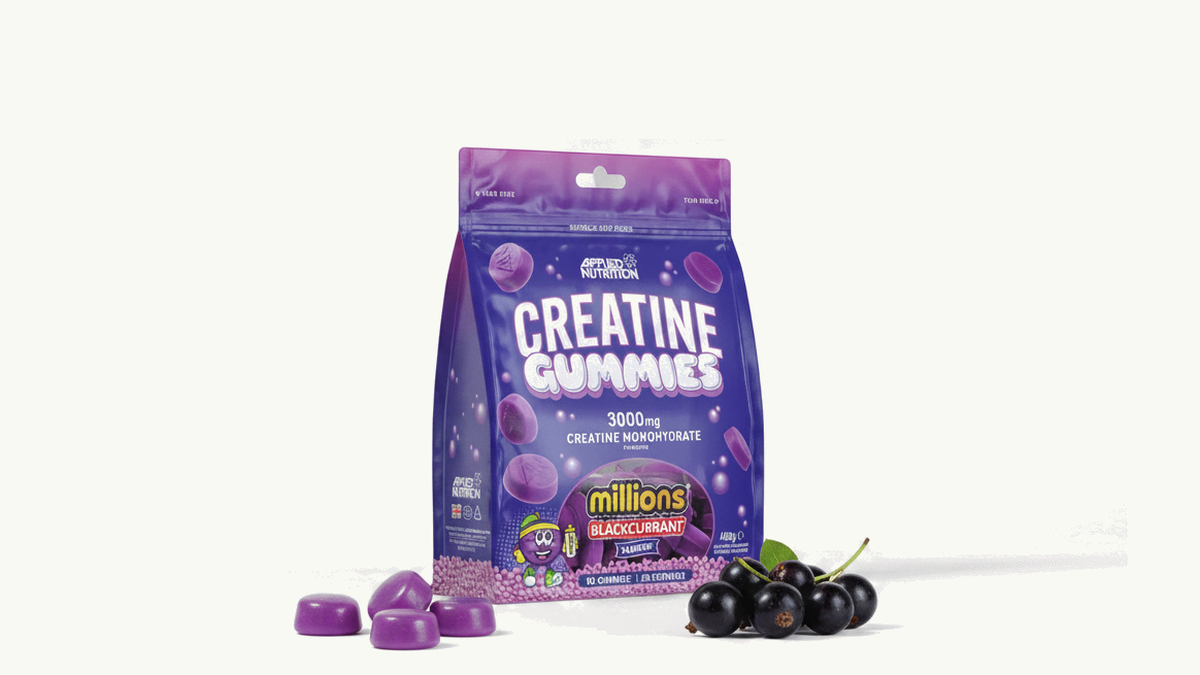
Simply a good creatine monohydrate, just like everyone else. There's no such thing as "women's creatine" and you don't need one: a pink tub with flowers contains the same substance as a black tub with flames. Look at what's inside, not at who the packaging seems to be aimed at.
Monohydrate is the most researched sports supplement and the logical first choice. The differences between variants, such as Creapure®, are explained in which creatine is best. If you want a pure, no-frills monohydrate straight away, take a look at ESN Ultrapure Creatine. Creatine doesn't need any added flavour or embellishment.
How do you start taking creatine?
Simple: choose a creatine monohydrate, pick a fixed time of day and take your dose according to the label every day. There are no further steps. After a few weeks of daily intake, your muscle stores will be topped up — no loading phase, no protocol needed.
- Choose a plain creatine monohydrate, without unnecessary additives.
- Link your dose to an existing habit, such as your breakfast or your morning glass of water.
- Take your dose every single day, including rest days; the effect comes from consistency.
- Give it a few weeks; you won't feel an immediate kick, and that's perfectly normal.
Frequently asked questions about creatine for women
Can I use creatine if I want to lose weight?
Creatine is not a weight-loss product and contains no calories; it's unrelated to fat loss. The slight fluid increase is in your muscle cells and is not fat. If you want to lose weight, your diet remains the determining factor. Using creatine alongside that goal is absolutely fine — the two don't interfere with each other.
Is creatine suitable during pregnancy or breastfeeding?
We don't make statements on this. If you're pregnant, breastfeeding or taking medication, consult your GP or midwife before starting any supplement. That's not a formality — it's simply the sensible order of things.
Should women take a lower dose?
No, the standard applies to everyone: the EFSA claim is based on a daily intake of 3 grams. Labels generally don't distinguish between men and women. Follow the label on your product and stick to one fixed dose per day.
Can I combine creatine with my protein shake?
Yes, and it's actually a handy combination. Creatine dissolves easily in a shake, allowing you to link your daily dose to a moment you already have. Just be mindful on rest days without a shake: take your creatine separately, for example in a glass of water.
Does the extra fluid disappear when I stop taking creatine?
Yes. If you stop taking it daily, the creatine stores in your muscles gradually return to their baseline, and the extra fluid in the muscle cells goes with it. Nothing stays "stuck". You can comfortably try creatine and see whether it suits you.
Creatine is simply a solid, well-researched supplement. Even if you're a woman. No separate rules, no special tub, no small print. Your daily dose, and then just keep training and eating the way you already do.