






Bulking means deliberately eating more than you burn over a period of time, giving your body the energy and building blocks it needs to build muscle mass. That's all it is. Yet an entire industry has sprung up online around the concept: huge meal plans, spreadsheets, seventeen supplement pots next to your plate. It can be a lot simpler than that.
What you actually need: a small calorie surplus, enough protein, a training programme that gradually makes you stronger, and a bit of patience. Everything else is detail. Below, you'll find out how to make it work in a way you'll still be able to stick to three months from now.
What exactly is bulking?
Bulking is a phase in which you eat more calories than your body burns each day, combined with strength training. That surplus gives your body the room it needs to build muscle mass. You will also gain a little fat along the way. That's part of the process and it's not a failure.
The opposite of bulking is cutting: a phase where you eat slightly less to lose fat while preserving as much muscle mass as possible. Many athletes alternate between these two phases. As a beginner, there's no need to overcomplicate things. If your main goal is to get stronger and more muscular, a steady bulk is a logical starting point. If you already struggle to gain weight even without training, start by reading how to gain weight in a healthy way.
How many calories should you eat during a bulk?
A commonly used starting point is a surplus of roughly 200 to 500 calories per day above your maintenance level. That's enough to make progress, but small enough to avoid gaining unnecessary fat. A larger surplus doesn't mean more muscle — it just means more fat.
You won't find your maintenance level in a formula — you'll find it on the scales. Eat as you normally would for two weeks and weigh yourself a few times a week at the same time of day. If your weight stays roughly the same, you're around maintenance. Add that small surplus on top and see what happens. If you're gaining very slowly — think a few hundred grams per week — you're on the right track. If your weight shoots up, you're eating more than your body needs to grow.
That might sound uneventful. It is. Bulking is mostly about calmly doing the same thing, week after week. Consistency does the work here, not the perfect plan.
How much protein do you need while bulking?
A commonly used guideline among strength athletes falls roughly between 1.6 and 2.2 grams of protein per kilogram of body weight per day. If you weigh 75 kg, that works out to around 120 to 165 grams. Protein supports the growth of muscle mass.
More important than the exact number: spread your protein intake throughout the day. Having a portion at each meal is more manageable than cramming it all into one evening meal. Cottage cheese, eggs, chicken, fish, legumes and dairy can take you a long way. A protein shake is a handy addition to your diet, not a replacement for it. If you're unsure which powder suits you best, this protein shake overview will point you in the right direction. And don't lose sleep over the timing of that shake: before or after training matters less than your total daily intake.
Clean bulking or dirty bulking?
With a dirty bulk, you eat as much as possible, regardless of what it is. With a clean bulk, you focus on ordinary, nutritious foods with a modest surplus. For most beginners, the second approach works better: you gain weight more gradually, you feel better and you have less to correct afterwards.
That said, clean bulking isn't a religion. A pizza on Friday won't ruin your bulk, just as one perfect Monday won't make it. Food isn't a sin and a birthday isn't a cheat day — it's just a birthday. Build your days around nutritious staples, leave room for the things you enjoy, and focus on your weekly average rather than any single day.
What does a bulking day look like in practice?
A solid bulking day is surprisingly straightforward: three meals, a few snacks, some protein at each eating occasion. No exotic ingredients required. The example below shows how to spread your calories and protein throughout the day without it becoming a full-time job.
| Meal | Example | Why it works |
|---|---|---|
| Breakfast | Oats with whole milk, a banana and a scoop of whey | Steady energy plus a solid serving of protein to start the day |
| Lunch | Wholegrain bread or wraps with chicken breast, egg or cottage cheese | Easy to take with you, protein without the fuss |
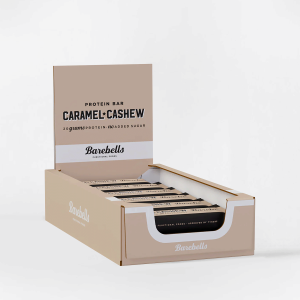
| Snack | Cottage cheese with nuts and fruit, or a protein bar | Extra calories and protein at a natural moment in the day |
| Dinner | Rice or pasta with meat, fish or legumes and vegetables | The largest meal of the day, with carbohydrates to fuel your training |
| Evening | A pot of cottage cheese or a casein shake | Slow-digesting protein to support overnight recovery |
If days like these still don't get you to your surplus, make your existing meals bigger rather than adding more eating occasions. An extra drizzle of olive oil, a handful of nuts or full-fat instead of low-fat dairy adds up faster than you'd think.
Which supplements are useful during a bulk?
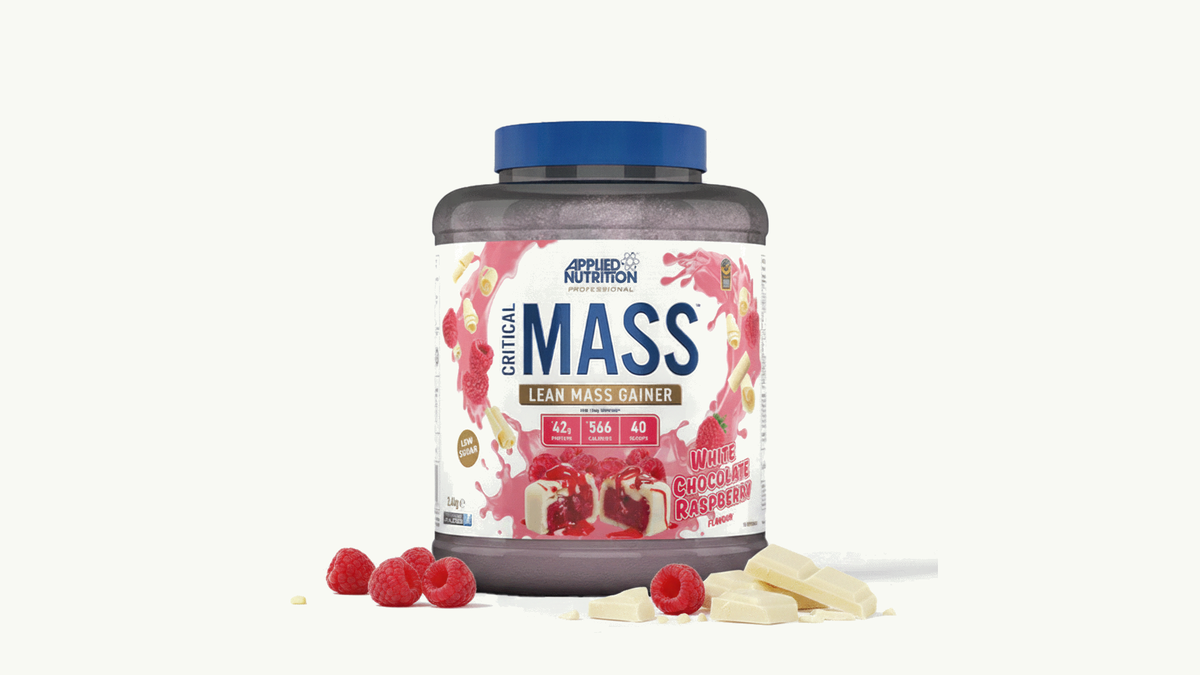
Strictly necessary: none. Useful: a select few. A protein shake makes it easier to hit your daily protein target, especially on busy days. A weight gainer is nothing more than a high-calorie shake: worthwhile if eating feels like a chore, unnecessary if you're getting your calories from regular food.
Creatine is the most thoroughly researched sports supplement and fits naturally into a bulking phase. Creatine increases physical performance during repeated bouts of short, high-intensity exercise, with a daily intake of 3 grams. Loading is not necessary, but daily use is; the effect builds up over weeks. For practical guidance on how to approach this, read when to take creatine for best results. And for everything else: supplements are an addition to a healthy, varied diet — not a replacement. More pots does not mean better results.
What mistakes do beginners make most often?
Most failed bulks don't fall apart because of a lack of knowledge — they fall apart in execution. Here are the classics:
- Too large a surplus. "Bulking" becomes "eating without limits". The result: a lot of fat, little extra muscle, and a long cut to pay for it later.
- Too little protein. The calories are there, but not the building blocks. A wasted surplus.
- Focusing only on the scales. Your weight doesn't tell the whole story. Also pay attention to your strength in the gym and how your clothes fit.
- Eating without training progression. The surplus does nothing without a stimulus. Aim to lift heavier or do more reps as the weeks go by.
- Quitting after a bad week. A holiday or a hectic work week is no reason to start over. Just pick up where you left off.
Frequently asked questions about bulking
How long should a bulk last?
There's no fixed end date. Think in months rather than weeks: building muscle mass is a slow process and a few weeks of surplus won't move the needle much. Stop when you no longer feel comfortable with your body fat level or when your progress stalls, then gradually ease off.
Can you bulk without shakes?
Yes, absolutely. A shake is a convenience, not a requirement. If you're getting your protein from cottage cheese, eggs, meat, fish and legumes, you're not missing out on anything. A shake only becomes interesting when you consistently find it hard to hit your daily protein target through regular food alone.
Will bulking make you fat?
With a small surplus, you'll gain a limited amount of fat — that's part of the process. Those who gain a lot of fat are simply eating too large a surplus. Keep it modest, weigh yourself occasionally and adjust as needed. Gaining some fat is not a failure; it's an adjustable side effect.
Should you cut out cardio during a bulk?
No. A few light cardio sessions per week will keep your cardiovascular fitness up and won't get in the way of muscle growth. You'll burn a few extra calories; simply eat them back. Only extreme amounts of endurance training make bulking difficult.
Bulking doesn't need to be anything more than this: eating a little more than you burn, getting enough protein, trying to lift heavier over time and sticking with it. No hundred rules. Healthier is possible. Do what works.