







Gaining weight works in only one way: structurally consuming more calories than you burn. No secret, no miracle cure. Just an approach you need to stick with, and that's usually where things go wrong. People who struggle to gain weight often eat less than they think. These ten tips make that calorie surplus achievable, without turning eating into a full-time job.
How do you gain weight?
You gain weight by eating in a daily calorie surplus: taking in slightly more energy than your body uses. Combine that with strength training and sufficient protein, and a large part of the gain will go toward muscle mass rather than just fat storage. Proteins contribute to the growth of muscle mass.
Important to mention upfront: this is about consciously wanting to gain weight, for example because you are underweight or want to build muscle mass. If you are losing weight without trying to, consult your doctor first. For everyone who simply wants to become heavier and stronger: it's a matter of counting and repeating. A modest surplus, every single day, beats three massive eating days followed by four forgotten ones. Sounds boring. It works.
10 practical tips for gaining weight
The common thread in these tips: make eating more as easy as possible. Large plates full of dry chicken are not sustainable; smart choices with lots of energy in little volume are. Start with tips 1 and 2 — that's the foundation. The rest makes it more complete and, above all, easier to maintain.
1. Determine your starting point and eat deliberately more
First estimate how much you currently eat on a typical day. Many people who claim to have "tried everything" are surprised to find their total is surprisingly low when they actually count. Then eat a modest amount more than that each day, and use the scale as your referee: if you haven't gained weight after a few weeks, nudge it up again.
2. Eat more frequently throughout the day
Three substantial meals plus two or three snacks is easier for most people than three gigantic plates. Your stomach never needs to be overfull, yet energy keeps coming in throughout the day. Fixed meal times help: those who leave eating to chance forget about it first on busy days.
3. Choose energy-dense foods
Nuts, nut butter, oats, full-fat dairy, olive oil, avocado, dried fruit: lots of calories in little volume. A tablespoon of oil through your pasta or a handful of nuts at breakfast adds up without you noticing, without needing to feel any hungrier. This is the easiest lever to pull.
4. Include protein at every meal
If you want those extra kilos to be partly muscle, spread your protein intake throughout the day: a protein source at every meal. Think dairy, eggs, meat, fish or legumes. Proteins contribute to the growth of muscle mass; the rest of your plate provides the energy to grow. A high-protein breakfast is a simple place to start.
5. Drink your extra calories
Drinking fills you up less than chewing. Full-fat milk, a smoothie with oats and nut butter, or a shake alongside your meal: these are calories that fit in easily at moments when an extra plate is no longer possible. A handy tool, not an obligation.
6. Use shakes and gainers as a tool, not a hero
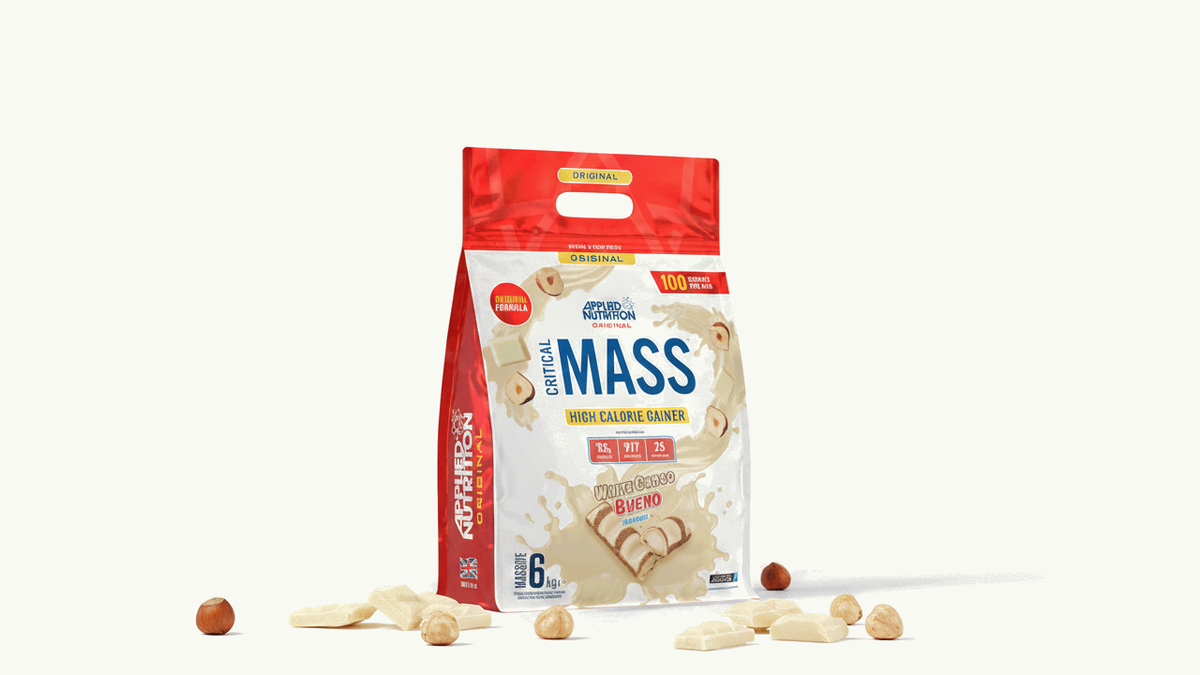
A protein shake or weight gainer is nothing magical: it's nutrition in drinkable form, with a known amount of calories and protein per serving. That makes it a practical aid alongside regular meals, never a replacement for them. Find out when a shake is most useful in protein shake before or after exercise.
7. Do strength training
Without a training stimulus, a calorie surplus is mainly stored as fat. With two to four strength training sessions per week, you give your body a reason to build muscle from that surplus. Find out how to make training and nutrition work together during a bulking phase in bulking for beginners.
8. Keep your cardio in check
You don't need to cut out cardio; staying active is and remains a smart idea. But those who struggle to gain weight and also run five long sessions per week are making it hard for themselves. Every calorie burned has to be eaten back. Stick to a few easy sessions and compensate on those days with a little extra food.
9. Take sleep and recovery seriously
Muscle growth doesn't happen during training but during the recovery that follows. Chronically poor sleep also undermines your appetite and your energy to train. Boring advice, big impact: consistent bedtimes and seven to nine hours of sleep quietly do more for your progress than any supplement.
10. Track your progress and adjust
Weigh yourself weekly at a fixed time and look at the trend over multiple weeks, not daily fluctuations. Gaining steadily: change nothing. Scale not moving: eat a little more. This keeps gaining weight a matter of small adjustments rather than major frustrations.
What does a day with a calorie surplus look like?
A day on which you gain weight looks surprisingly normal: three full meals, two or three snacks, and the occasional energy-dense addition. No extreme quantities, but food throughout the entire day. Here is an example layout for illustration that you can fill in to your own taste.
| Moment | Example | Why it works |
|---|---|---|
| Breakfast | Oats with full-fat milk, banana and nut butter | Energy-dense and protein-rich start |
| Snack | Handful of nuts and dried fruit | Lots of calories, little volume |
| Lunch | Generously topped sandwiches or yesterday's leftovers, plus dairy | Complete meal without fuss |
| Snack | Smoothie or shake with milk and oats | Liquid calories fill you up less |
| Dinner | Normal hot meal with an extra tablespoon of olive oil | Invisible extra calories |
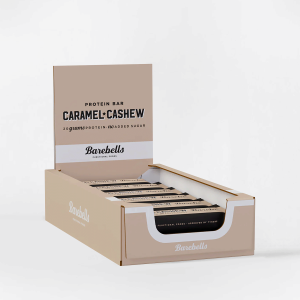
| Evening | Quark with muesli or a protein bar | Proteins heading into the night |
The pattern matters more than the exact content. Feel free to vary, as long as every meal contains a protein source and the energy-dense additions don't quietly disappear the moment the week gets busy.
Frequently asked questions about gaining weight
How quickly can you gain weight?
Slower than you hope, and that's fine. With a modest daily calorie surplus your weight grows steadily, and combined with strength training, that gain is partly muscle. Eating extremely large amounts leads to faster gains, but mainly in fat mass. Steady wins.
Why am I not gaining weight even though I eat a lot?
Almost always: because "a lot" measured over an entire week falls short. A few big eating days are often followed by busy days where meals are skipped, and the average stays too low. Track what you eat honestly for a week and you'll usually see immediately where the leak is.
Do you need a weight gainer to gain weight?
Necessary: no. Handy: sometimes. A weight gainer is a shake with a lot of calories and protein per serving, practical for those who struggle to get enough from food alone. It remains a supplement to regular meals, not a replacement and not a requirement for gaining weight.
What is the best time for extra calories?
The timing matters less than the daily total. In practice it helps to plan extra eating moments where they are least inconvenient: a substantial breakfast, something after training, and a protein-rich moment before bed. This spreads the calories out without any single meal becoming a struggle.
Can you gain weight without getting fat?
Largely yes, with the combination described above: a modest surplus, sufficient protein and serious strength training. Some fat gain comes with the territory; those who accept that and keep an eye on the trend can make adjustments long before things get out of hand.
Gaining weight is ultimately not a six-week project, but a habit of eating a little more than you burn every single day. No hundred rules, no seventeen supplements. Healthier is possible. Do what works.